
Republic Day responsibility for founders goes far beyond celebrating freedom. It is about what we choose to build after freedom institutions, systems, and structures that can outlast individuals and protect people over time.
On 26th January 1950, India didn’t merely become a republic. Instead, it accepted a long-term responsibility to govern fairly, to build institutions stronger than individuals, and to design systems capable of outlasting generations.
Seventy-five years later, Republic Day should no longer exist only as a reminder of past achievements. Rather, it should act as a mirror, forcing us to reflect on what we are building today.
After all, freedom gave us the right to choose.
The Constitution gave us the duty to build.
Nations don’t Fail Because of intent; they fail because of Weak Systems
India’s freedom movement was driven by courage, sacrifice, and resistance.
However, the Constitution was driven by something quieter and far more structured.
It did not assume that good intentions would be enough.
It did not rely on heroism or effort alone.
Instead, it embedded checks, balances, accountability, and process into the very foundation of the nation.
The Constitution was not a slogan.
It was a system.
That distinction matters more today than ever before.
As founders and builders in modern India, we often talk about innovation, speed, and growth. Yet Republic Day reminds us of a deeper truth: real nation-building has never been about speed alone. It has always been about sustainability.
India is full of intent. It is filled with hard-working people, ambitious leaders, and brilliant minds across sectors. Still, across institutions, schools, organisations, and ecosystems, the same pattern keeps repeating.
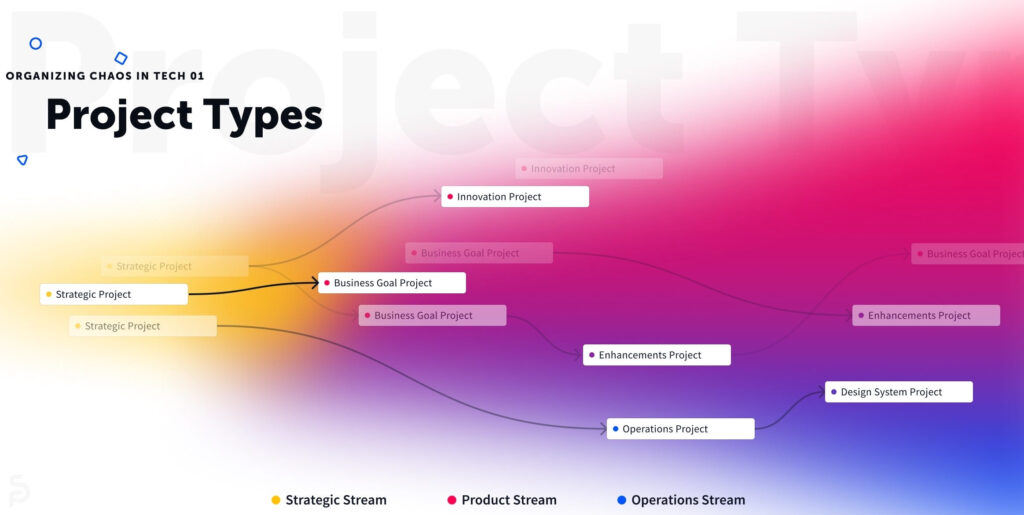
Growth begins to outpace structure.
Effort starts replacing the process.
People compensate for systems that were never designed to scale.
When things begin to break, we rarely pause to strengthen the foundation. Instead, we ask people to work harder. At that point, the issue is no longer about motivation or talent. It becomes a systems problem.
And this is the uncomfortable truth Republic Day forces us to confront:
Good intentions can never substitute for strong institutions.
The Constitution Teaches Us What Institutions Often Forget
The Constitution of India has survived decades of political change, economic reform, and social transformation because it was designed as a system, not a personality-driven structure. From the very beginning, it assumed failure points and planned for the misuse of power instead of trusting good intentions blindly. Rather than centralising responsibility, it distributed it carefully across institutions, which is precisely why it has endured.
The lesson here is simple, yet profound. Good intentions can never substitute for strong institutions and systems. Weak systems exhaust people, while strong systems protect them.
What makes this insight powerful is that it extends far beyond governance. In fact, it applies to every institution operating in India today, from governments and corporations to schools, startups, and growing organisations.
Republic Day Responsibility for Founders Is About Building Strong Institutions

Republic Day reminds us that nations and institutions do not survive on passion alone. They survive because responsibility is embedded in the systems that govern them. That same principle applies to the work founders do today.
At BAAP Company, this belief shapes how we think about our role. We do not see ourselves as merely building technology or shipping products. Instead, we see our work as contributing to the digital infrastructure that institutions rely on to grow responsibly and sustainably.
This perspective matters because institutions shape lives long after individual products are forgotten. Schools shape futures. Organisations shape livelihoods. Over time, systems shape behaviour, culture, and outcomes.
When institutions grow without structure, the impact is rarely immediate. At first, things appear manageable. However, over time, the strain begins to show. Processes break down, accountability weakens, and decision-making becomes reactive. Eventually, institutions do not just struggle; they burn out the very people trying to build them.
That is why institution-building requires more than ambition. It requires foresight, discipline, and systems designed to protect people as scale increases. Growth without structure may look impressive in the short term, but it becomes unsustainable in the long run.
As founders, our responsibility is not only to innovate quickly, but to build foundations strong enough to last.
Republic Day Responsibility: Why Freedom Without Structure Leads to Fragility
India gave us the freedom to innovate, to experiment, to build, to fail, and to try again. However, freedom without responsibility inevitably leads to fragility. When institutions depend on individuals instead of systems, effort begins to replace process. Over time, as growth outpaces structure, the cost becomes visible.
That cost is not limited to operational failure. Instead, it shows up as exhaustion across teams, chaos in decision-making, and, eventually, a loss of trust. In such environments, even the most well-intentioned institutions struggle to stay stable. This is not the future the Constitution envisioned for a nation built on accountability and balance. Over time, hard work stops working. Exhaustion replaces momentum, chaos replaces clarity, and trust begins to erode. This is not the future the Constitution envisioned. It is a warning sign that the structure has been neglected.
Modern Patriotism Is Quiet, Structural, and Long-Term
Nation-building today does not always look dramatic. It does not always happen on stages or through slogans. Instead, it happens quietly when founders choose structure over shortcuts and when institutions invest in systems before scale.
Similarly, modern patriotism shows itself when leaders design operations that protect people from chaos rather than relying on constant heroics. It is visible when institutions prioritise sustainability over speed and responsibility over recognition.
This form of patriotism is rarely celebrated. It is quiet. It is structural. And most importantly, it is long-term.
The Question Republic Day Forces Every Founder to Ask
Every Republic Day invites reflection, especially for those building institutions in modern India. Yet the most important question founders should ask themselves today is not about speed or scale.
It is not, “How fast are we growing?”
Instead, the real question is far more uncomfortable and far more important: Are we building something that can stand without us?
Because growth can be driven by effort, energy, and even heroics. However, longevity demands something deeper. It demands systems that function independently of individuals, structures that endure beyond founders, and processes that remain strong even when leadership changes.
Strong nations are built by strong institutions. In the same way, strong institutions are not built on constant firefighting or personal sacrifice alone. They are built on systems designed to outlast heroics and protect the people within them.
This Republic Day, the responsibility for founders is not symbolic. Republic Day responsibility for founders means building systems and institutions that can survive beyond individuals.
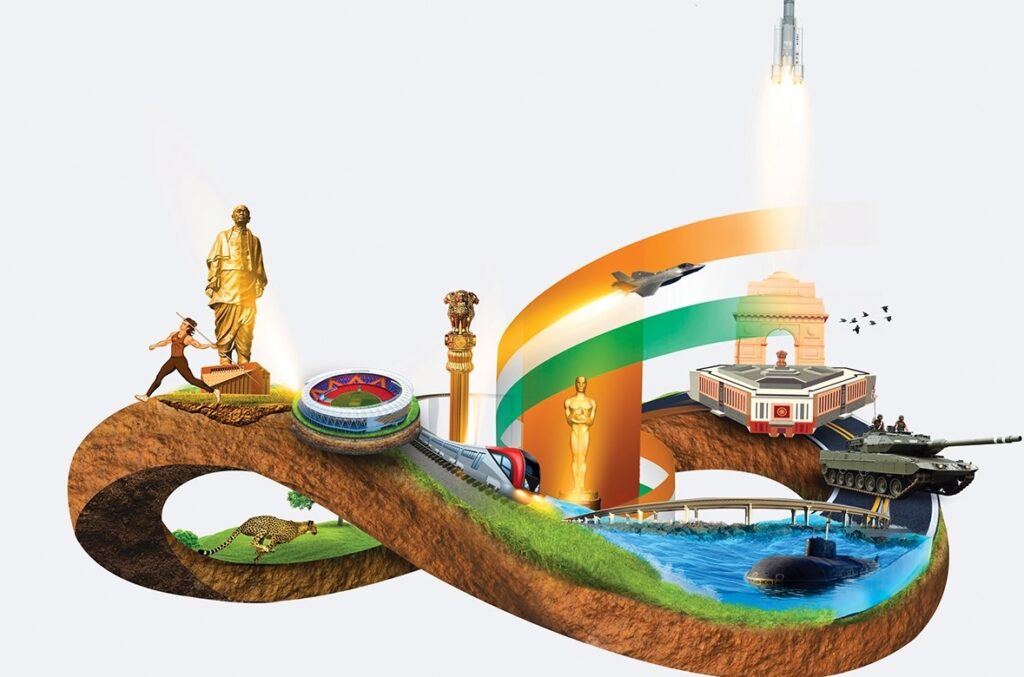
Final Thought: Republic Day Is a Responsibility We Carry Forward
Republic Day is not just a reminder of where India came from. More importantly, it is a reminder of what India now expects from those building its future.
For founders, responsibility does not end at growth. True responsibility lies in building ethical, sustainable, system-driven institutions that do not rely on individual sacrifice to survive. Growth that depends on burnout, heroics, or constant firefighting is not progress. It is fragility disguised as momentum.
At BAAP Company, we believe that honouring the Republic means designing digital ecosystems that protect people, scale responsibly, and endure beyond individuals. This is how institutions are strengthened. This is how trust is preserved. And this is how long-term impact is created.
Republic Day, therefore, is not a memory we revisit once a year. It is a responsibility we either carry forward consciously or quietly pass on to the next generation.
The choice is always ours.