Introduction
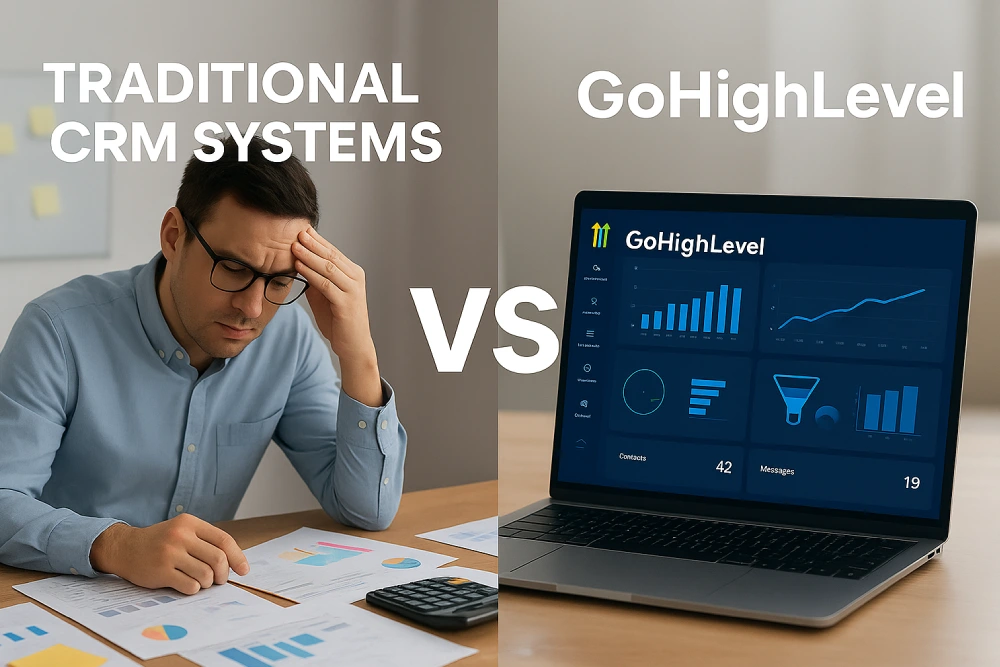
Building strong customer relationships is essential for every business. As customer expectations continue to grow, organizations need efficient ways to manage interactions, sales opportunities, and support services. While many businesses still rely on spreadsheets, notebooks, emails, or manual processes to manage customer information, these traditional methods often become inefficient as the business grows.
A Customer Relationship Management (CRM) system provides a centralized platform to organize customer data, automate sales activities, improve communication, and strengthen customer relationships. Understanding the differences between CRM and traditional customer management helps businesses choose the right approach for long-term growth and operational efficiency.
What Is Traditional Customer Management?
Traditional customer management refers to manual methods of storing and managing customer information. Businesses often use spreadsheets, paper records, email conversations, or disconnected software applications to track customer interactions.
Although these methods may work for small businesses with limited customer data, they become difficult to manage as the customer base expands. Manual processes increase the risk of data duplication, missed follow-ups, communication gaps, and reporting inaccuracies.
What Is a CRM System?
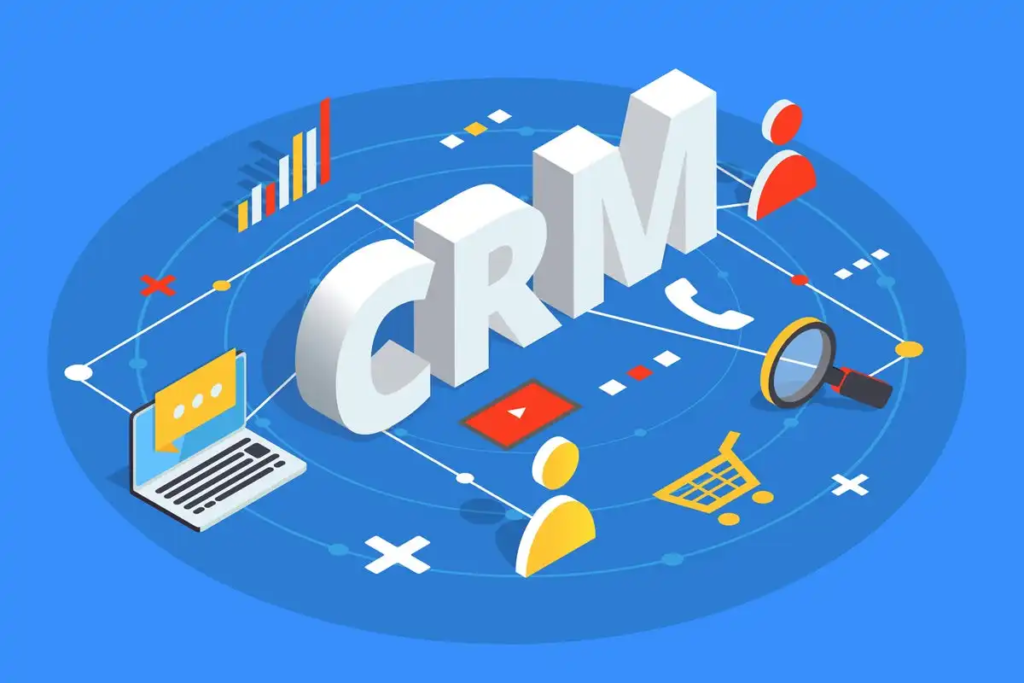
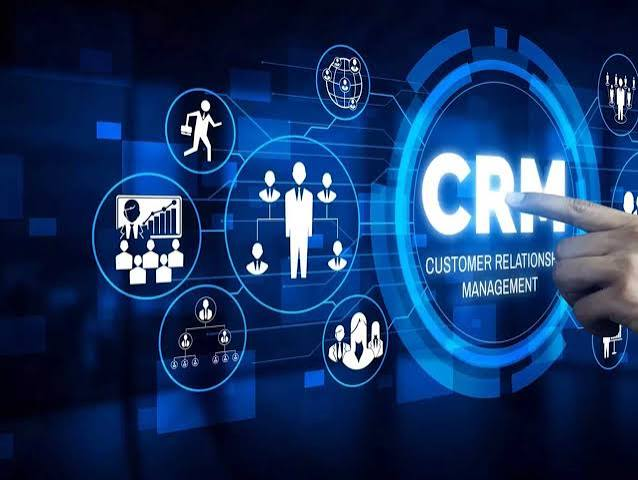
A Customer Relationship Management (CRM) system is a software solution that helps businesses manage customer interactions, sales pipelines, marketing campaigns, customer support, and business relationships from a single platform.
A modern CRM centralizes customer information, automates routine tasks, tracks every customer interaction, and provides real-time insights that help businesses make informed decisions. Businesses using a CRM can improve productivity while delivering a better customer experience.
CRM vs Traditional Customer Management
The biggest difference between a CRM and traditional customer management is automation and accessibility. Traditional methods depend heavily on manual work, while CRM software automates repetitive processes and provides instant access to customer information.
With a CRM, sales teams can track leads, schedule follow-ups, monitor customer communication, and generate reports without switching between multiple tools. This improves collaboration and helps businesses respond to customers more efficiently.
According to Salesforce CRM Guide, businesses that adopt CRM solutions improve customer relationships, sales performance, and operational efficiency.
Better Customer Relationship Management
A CRM allows businesses to maintain complete customer profiles, including contact details, purchase history, communication records, and support requests. This information enables teams to provide personalized service and build stronger customer relationships.
Instead of searching through emails or spreadsheets, employees can quickly access customer information and respond more effectively.
Improved Sales and Lead Management
Managing leads manually often results in missed opportunities. CRM software automatically tracks leads throughout the sales pipeline, helping sales teams prioritize prospects, schedule follow-ups, and monitor deal progress.
This structured approach improves conversion rates while enabling managers to measure team performance using real-time dashboards and reports.
Increased Productivity Through Automation
CRM systems automate many repetitive business tasks, including lead assignment, follow-up reminders, email notifications, and customer communication tracking. Automation reduces manual effort, minimizes human errors, and allows employees to focus on building customer relationships.
Organizations adopting CRM solutions often experience faster response times and improved operational efficiency.
Data-Driven Business Decisions
CRM platforms provide valuable reports and analytics that help businesses understand customer behavior, sales performance, and revenue trends. These insights support better strategic planning and allow organizations to identify opportunities for growth.
According to Microsoft Dynamics 365, data-driven customer management helps businesses improve customer satisfaction while increasing operational efficiency.
Key Benefits of CRM
Implementing a CRM solution provides several long-term business advantages.
- Centralized customer information
- Improved sales management
- Better customer communication
- Automated follow-ups
- Increased team productivity
- Faster decision-making
- Accurate business reporting
- Enhanced customer satisfaction
- Improved collaboration
- Scalable business growth
Industries That Benefit
CRM solutions are valuable for businesses across many industries.
- Retail
- Healthcare
- Manufacturing
- Education
- Banking and Finance
- Real Estate
- Logistics
- Hospitality
- Information Technology
- Professional Services
Organizations in every sector can improve customer engagement and business performance through an effective CRM strategy.
Best Practices for CRM Implementation
Successful CRM implementation begins with clearly defining business objectives and selecting a solution that meets operational requirements. Businesses should maintain accurate customer data, train employees, automate repetitive workflows, and regularly review CRM reports to improve performance.
Integrating CRM with marketing, customer support, and business applications creates a connected digital ecosystem that enhances productivity and customer satisfaction.
Future Trends in CRM
Modern CRM platforms are evolving with Artificial Intelligence, predictive analytics, conversational AI, workflow automation, and cloud-based technologies. AI-powered CRM systems can recommend sales opportunities, predict customer behavior, automate customer support, and deliver personalized experiences.
Organizations adopting intelligent CRM solutions today will be better positioned to build long-term customer relationships and stay competitive in the digital marketplace.
Why Choose Baap Company?
At The Baap Company, we help businesses modernize customer relationship management through our intelligent Baap CRM solution. Designed to simplify customer interactions, sales management, and business operations, Baap CRM enables organizations to improve productivity, strengthen customer relationships, and accelerate business growth.
Our expertise in Software Engineering, AI Systems, Data Intelligence, and Digital Growth Infrastructure enables us to develop scalable business solutions tailored to your organization’s unique requirements. Explore our Services to discover how we can support your digital transformation journey.
Conclusion
Traditional customer management methods may be suitable for small businesses with limited customer data, but they often become inefficient as organizations grow. A modern CRM system provides automation, centralized customer information, improved collaboration, and valuable business insights that help organizations deliver exceptional customer experiences.
Investing in the right CRM solution enables businesses to improve sales performance, strengthen customer relationships, and make informed decisions based on real-time data. As customer expectations continue to evolve, CRM technology has become an essential tool for sustainable business growth.
Contact The Baap Company
The Baap Company
Paregaon, Tal. Sangamner, Maharashtra – 422611, India
Phone: +91 9105868788
Email: info@baapcompany.com
Website: www.baapcompany.com